
International buyers, business partners, and sustainability teams increasingly ask manufacturers to explain how they measure and reduce greenhouse gas emissions. For Bangladeshi factories that supply garments, textiles, ceramics, food, packaging, or engineering products, this can raise practical questions: What does net-zero actually mean? Does a factory need a formal target? Can buying carbon credits be enough? And how can a small or medium-sized enterprise get started without building a large sustainability department?
The Science Based Targets initiative (SBTi) provides a framework for companies to set greenhouse gas (GHG) reduction targets aligned with climate science. This guide explains the core ideas in simple terms and shows how a Bangladeshi factory can begin preparing.
What is SBTi?
SBTi is an organization that develops standards and methods for setting corporate emissions-reduction targets consistent with climate science. Its Corporate Net-Zero Standard describes how eligible companies can set near-term targets and longer-term targets that lead toward net-zero emissions.
A company can publish a climate promise on its website, but a promise is not the same as an independently validated target. SBTi validation assesses whether a proposed target meets the applicable criteria. It does not mean the company has already achieved the reduction, and it does not guarantee buyer approval, new orders, or access to finance.
For a factory, the useful starting point is not to announce a target immediately. It is to understand the company’s emissions and identify which SBTi route and standard version apply. SMEs may be eligible for a dedicated SME validation route or may choose the regular corporate route, subject to the applicable eligibility conditions.
For official guidance, review the SBTi Corporate Net-Zero Standard and its version-specific requirements before making a submission decision.
What does net-zero mean for a factory?
Net-zero is not simply a claim that a company has paid to compensate for its emissions. Under the SBTi net-zero approach, a company must first make deep reductions in its own emissions and value chain. At the long-term net-zero target date, remaining residual emissions must be neutralized through carbon removals that meet the applicable requirements.
Imagine a garment factory in Gazipur that operates gas-fired boilers, uses grid electricity, runs a diesel generator during power interruptions, and buys fabric, dyes, chemicals, and packaging from suppliers. Its climate plan might involve improving boiler efficiency, repairing compressed-air leaks, optimizing motors and cooling systems, procuring qualifying renewable electricity, and working with key suppliers to reduce emissions in purchased materials.
Only after deep emissions reductions have been made can residual emissions be addressed through the required neutralization approach. Ordinary carbon credits do not replace progress against the company’s near-term or long-term science-based targets.
Understand Scope 1, Scope 2, and Scope 3
A factory cannot manage its carbon footprint until it understands where the emissions come from. GHG accounting usually groups a company’s emissions into three scopes.
Scope 1: Direct emissions
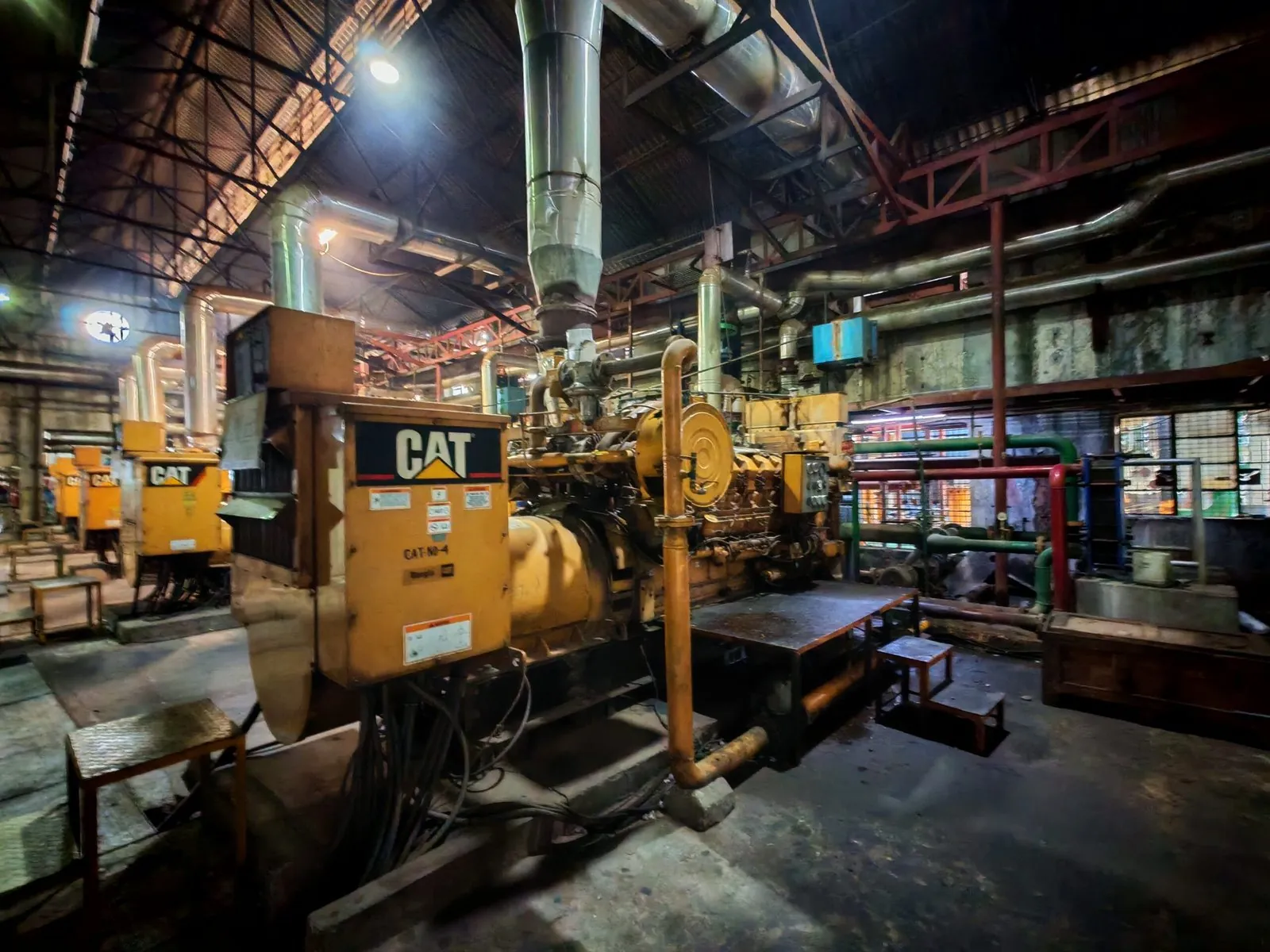
Scope 1 includes emissions from sources that the company owns or controls. Common factory examples include natural gas burned in boilers, diesel consumed by captive generators, fuel used by company vehicles, and relevant refrigerant leaks from cooling equipment.
The maintenance and accounts teams can often help build the initial record using gas bills, fuel purchase and issue records, generator logs, vehicle fuel records, and HVAC maintenance documents.
Scope 2: Purchased energy
Scope 2 covers emissions associated with purchased electricity, steam, heat, and cooling, as applicable. For many Bangladeshi factories, grid electricity used by motors, compressors, pumps, production lines, lighting, and cooling equipment is an important source.
Keep electricity consumption in kWh, not just the amount paid in taka. Monthly bills, meter readings, and information about on-site generation help the company establish a traceable record.
Scope 3: Value chain emissions
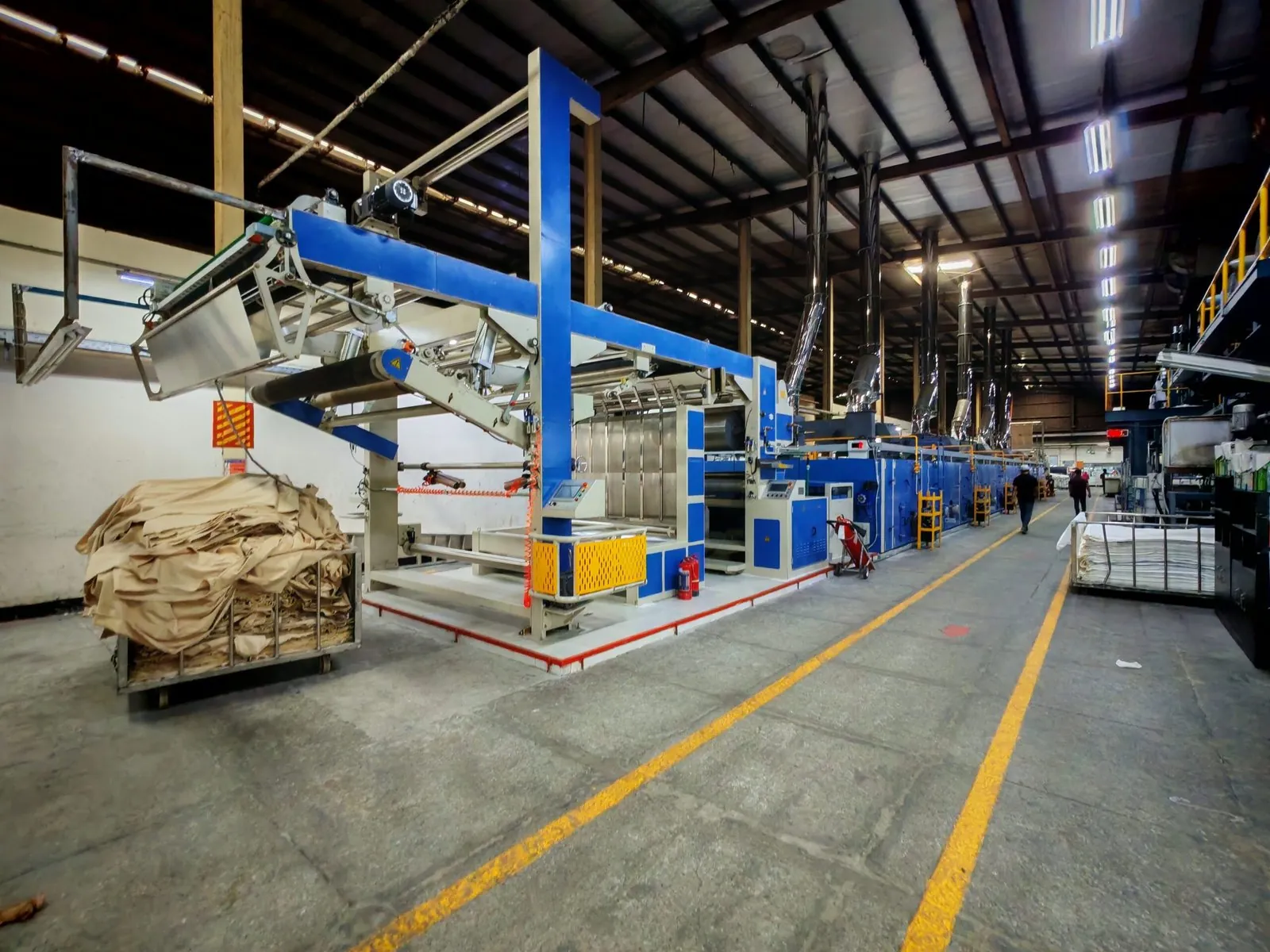
Scope 3 includes other indirect emissions associated with activities in the company’s value chain. For a garment or textile factory, examples may include the production of purchased fabric, yarn, dyes, chemicals, and packaging; outsourced processing; transportation; and waste treatment.
Scope 3 data can be more difficult to obtain because suppliers and service providers may control the relevant processes. Start by identifying the relevant categories, then prioritize the materials and partners likely to have the greatest impact. The GHG Protocol’s Scope 3 Standard explains how organizations can account for value chain emissions.
Hexa-BD already has a useful related resource, Decoding Scope 1, 2, and 3 Emissions for Bangladeshi Export Industries, which can help factory teams explore the three scopes in more detail.
Why should Bangladeshi SMEs start now?
A structured carbon inventory can help a factory respond to customer data requests, understand its largest sources of emissions, and identify operational inefficiencies. It can also improve the quality of investment decisions by connecting energy use, emissions, production, and cost information.
The business case will differ by factory. Some companies may face direct buyer requirements; others may be preparing for future supply-chain expectations or seeking better energy performance. SBTi validation should not be presented as a guarantee of commercial benefit. Its value depends on the quality of the target and the work done to achieve it.
A practical starting plan for an SME factory
1. Define the company boundary. List the facilities and relevant entities included in the assessment. Avoid collecting information for only the most efficient site if the reporting boundary includes other operations.
2. Select a reliable base year. Use a year with sufficiently complete data and check it against the requirements of the chosen validation route. Keep the assumptions and any gaps documented.
3. Collect activity data. Begin with monthly electricity and fuel records, production data, relevant refrigerant information, and purchasing data for major materials. Store the original records in a shared folder and link each reported value to its source.
4. Prepare the GHG inventory. Calculate emissions using suitable emission factors and documented methods. Record the reporting boundary, assumptions, data quality, exclusions, and any estimates.
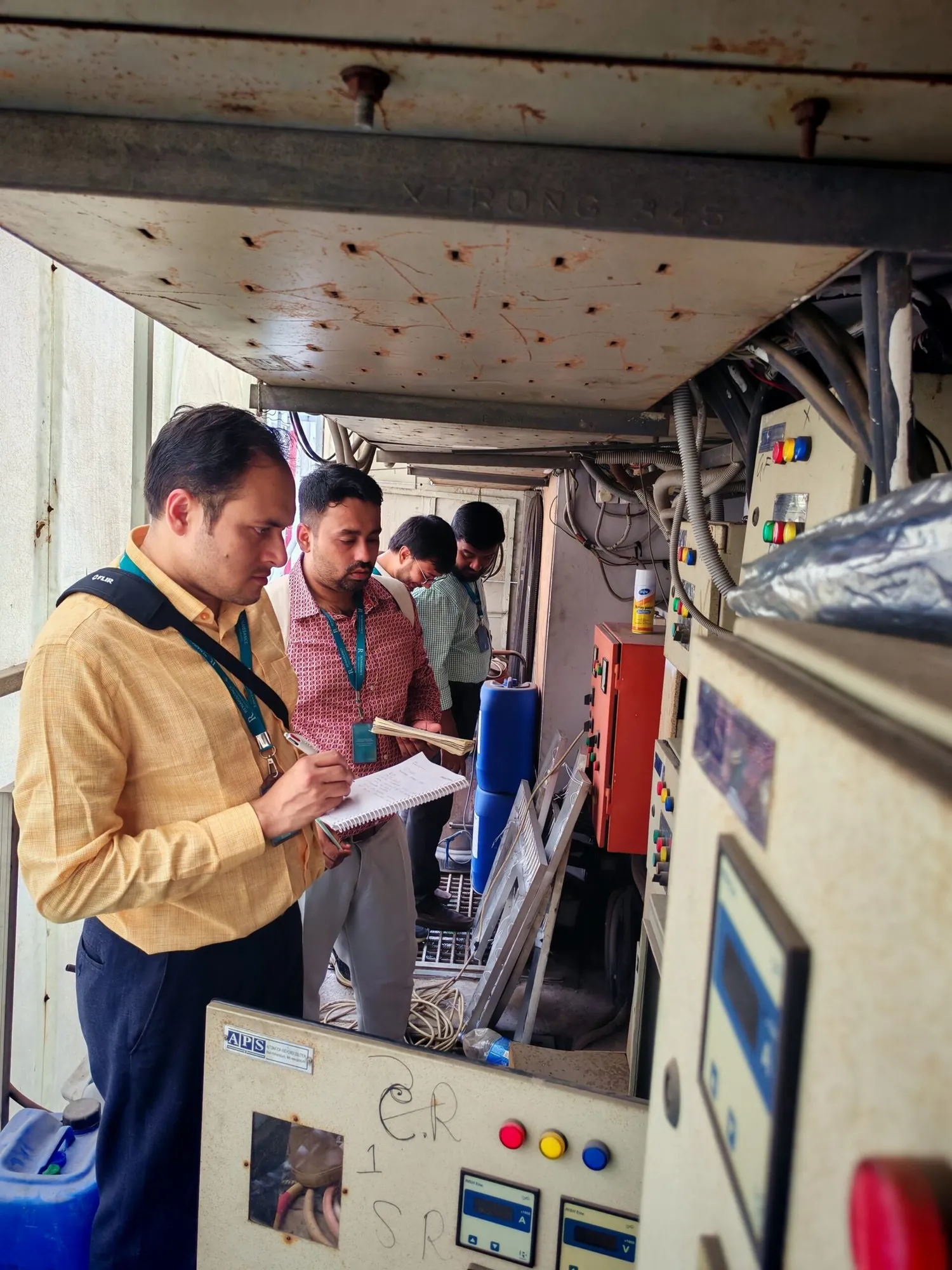
5. Identify reduction opportunities. A technical energy assessment can help evaluate boilers, steam systems, compressed air, motors, pumps, cooling equipment, and waste-heat opportunities. Explore Hexa-BD’s Energy Audit and Efficiency Consulting services for a practical view of the engineering measures that may support emissions reduction.
6. Create a reduction roadmap. Assign each priority action an owner, timeline, estimated investment, and method for tracking savings. Consider both factory operations and relevant supplier emissions.
7. Confirm the right route and standard version. SBTi published Corporate Net-Zero Standard Version 2.0 in June 2026. As of October 2026, validation under Version 2.0 is scheduled to open on February 1, 2027. Version 1.3.1 remains available during the transition period until January 31, 2028; Version 2.0 becomes mandatory for new target submissions from February 1, 2028. Companies should check the latest official SBTi version and transition guidance before submitting.
Common misconceptions about net-zero
“We bought carbon credits, so we are net-zero.” Carbon credits do not count as reductions toward near-term or long-term science-based targets. Required residual-emission neutralization is a later and distinct part of the net-zero approach.
“Our factory only needs to measure electricity.” Electricity is important, but direct fuel use and relevant value chain sources may also need to be included.
“A target automatically proves that we are reducing emissions.” A target is a commitment. A reliable inventory, a funded implementation plan, and regular progress tracking are needed to demonstrate action.
“Every SME follows exactly the same validation requirements as a large company.” SMEs may have a distinct validation route. Eligibility and requirements should be checked rather than assumed.
Turn the commitment into a workable plan
The most useful first step for a Bangladeshi factory is to build a reliable picture of its emissions, not to make the largest public promise. Once the baseline is clear, management can prioritize energy-saving measures, plan supplier engagement, and choose a suitable target-setting route.
Hexa Engineering Limited supports companies through SBTi consultancy, including target-boundary assessment, near-term target setting, net-zero target development, data collection, and submission support. For a tailored discussion, visit the Contact page.
A credible net-zero pathway is a management process: measure accurately, reduce deeply, document decisions, and track progress year after year.