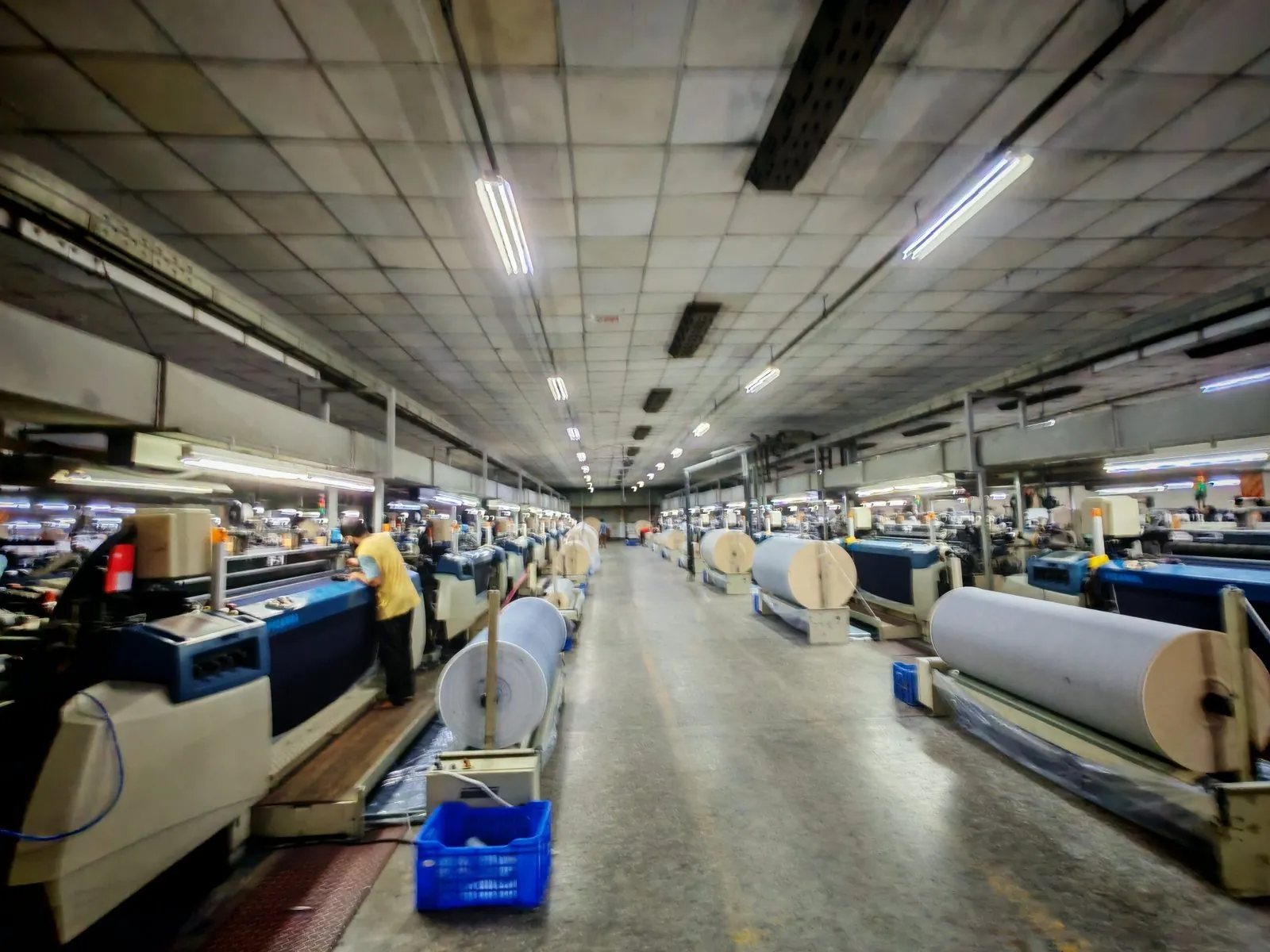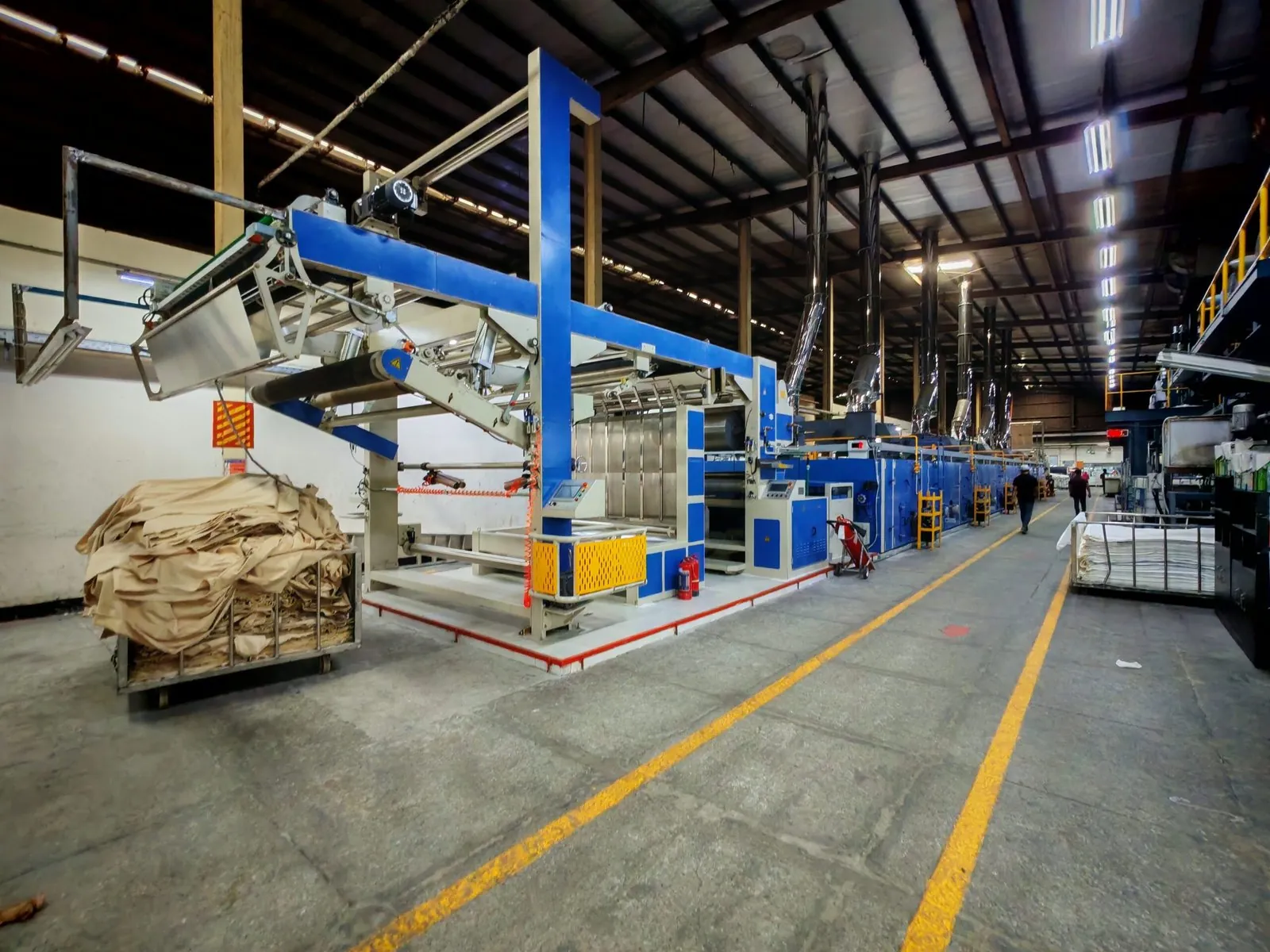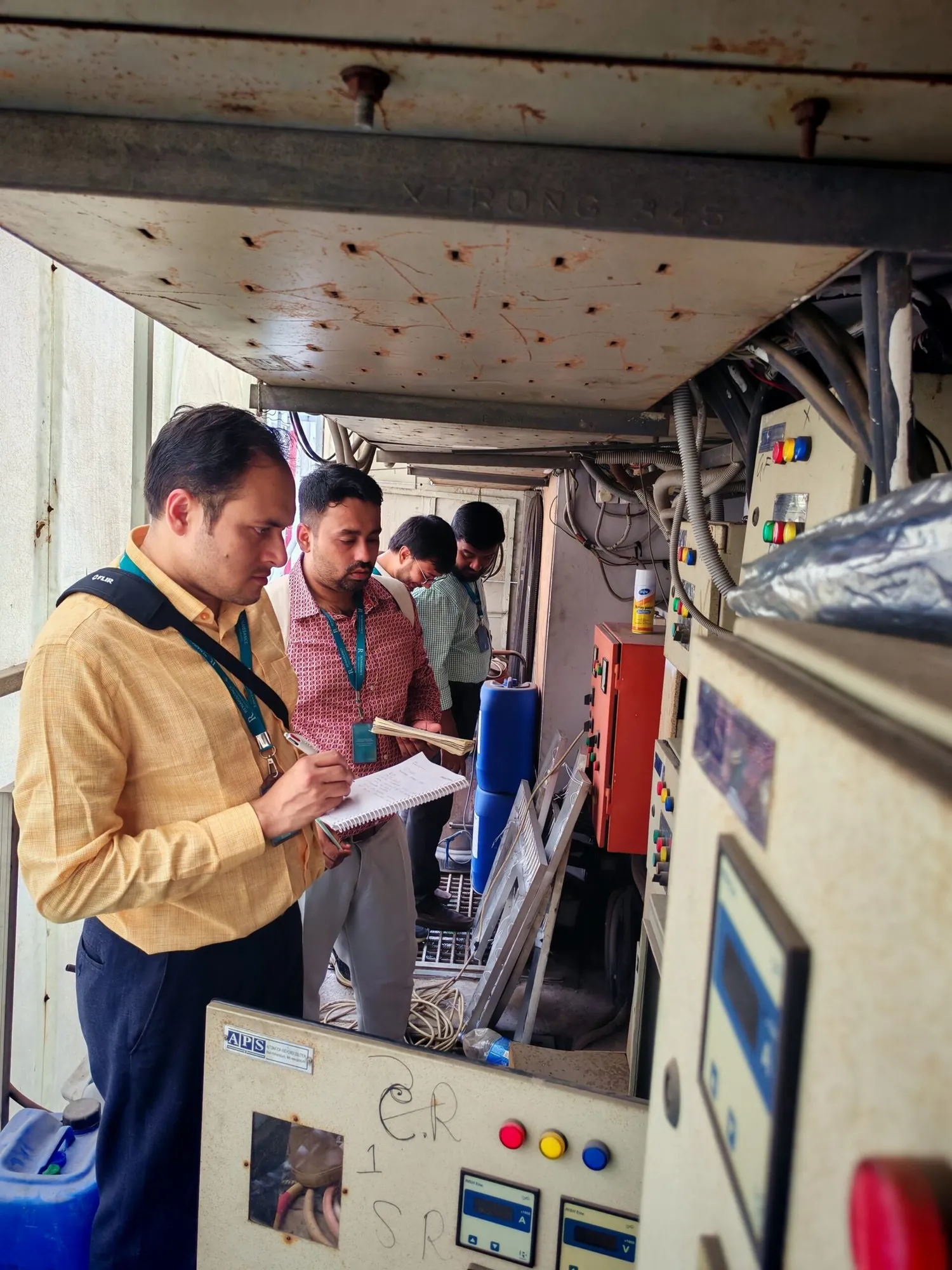
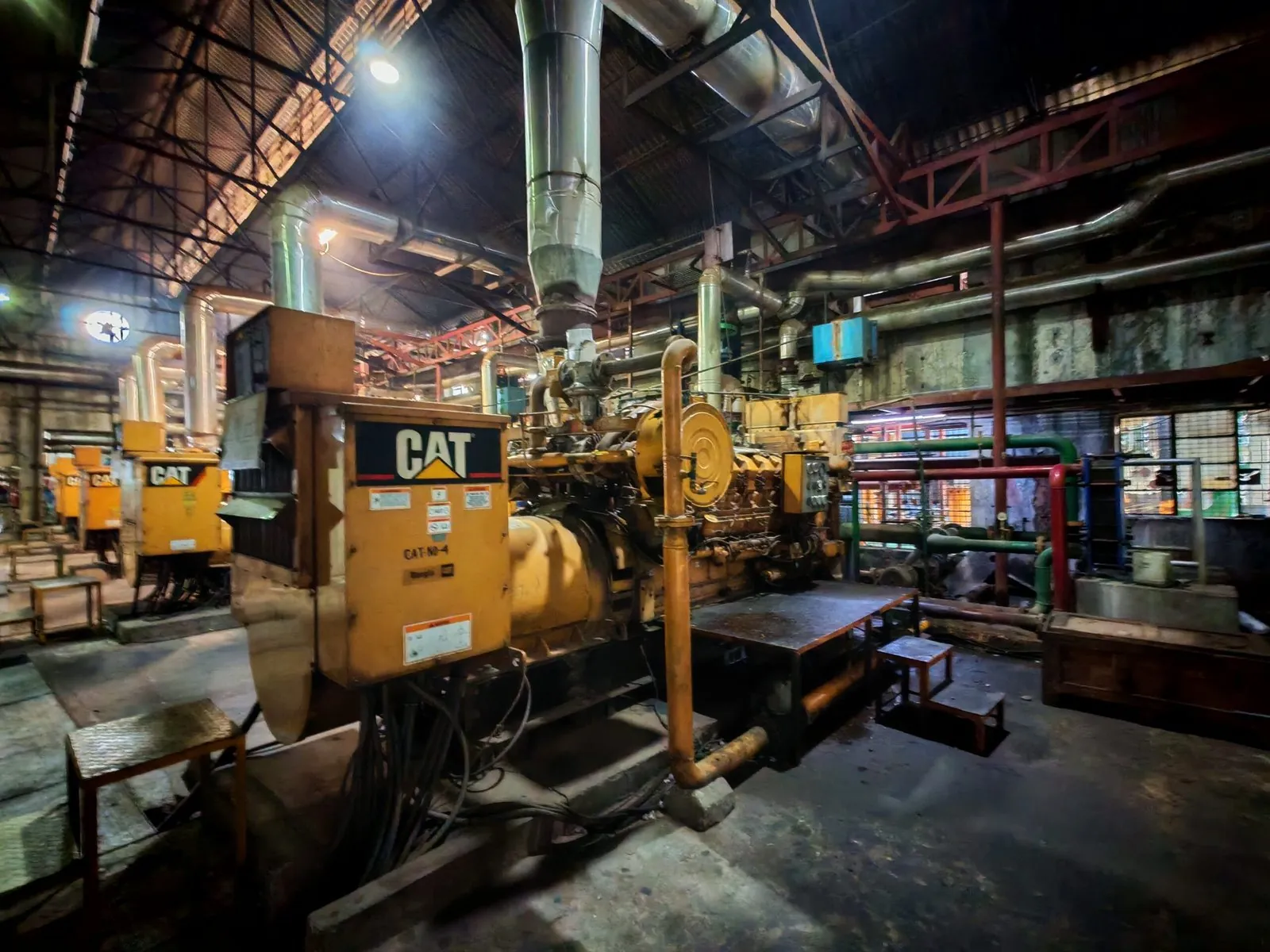
For many Bangladeshi factories, energy costs are a regular management concern. Natural gas for boilers, grid electricity for production machinery, diesel for captive generators, and compressed air for manufacturing processes all affect operating expenses. The same activities can also contribute to greenhouse gas emissions.
Reducing factory emissions does not have to begin with a large capital project or a complicated sustainability department. It starts with reliable data, a clear view of the biggest sources, and a practical plan that links engineering improvements to measurable results.
This guide sets out a step-by-step approach for small and medium-sized manufacturers in Bangladesh. It is designed to complement, not replace, a formal greenhouse gas inventory or the requirements of an applicable SBTi target-setting route.
Step 1: Establish an emissions baseline
Before choosing reduction measures, the factory needs to understand its current emissions. Start by defining which facilities and operations are included in the inventory. Then organize the relevant emissions into Scope 1, Scope 2, and Scope 3.
Scope 1 covers direct emissions from controlled sources such as gas-fired boilers, diesel generators, and company vehicles, scope 2 covers purchased electricity and other applicable purchased energy and scope 3 covers relevant emissions in the value chain, including purchased materials, transport, outsourced processes, and waste treatment.
Collect physical activity data where possible: electricity in kWh, natural gas in cubic meters, diesel in liters, and purchased materials in kilograms or tonnes. Keep the reporting period and unit clear. A bill total in Bangladeshi taka is useful for cost tracking, but it does not replace the underlying consumption quantity.
Use appropriate emission factors from recognized sources and document which factors and calculation methods were selected. The GHG Protocol Corporate Standard and Corporate Value Chain (Scope 3) Standard are useful references for organizing the inventory.
For a more detailed local explanation of the three scopes, see Hexa-BD’s article on Scope 1, 2, and 3 emissions for Bangladeshi export industries.
Step 2: Use an energy audit to find the largest practical opportunities
An energy audit helps identify where energy is being wasted and which improvement measures are technically and financially sensible. Rather than guessing, the factory can use measurements, equipment data, operating observations, and calculations to estimate savings.
For example, a compressed-air system may have leaks that force compressors to run longer than necessary. A boiler may operate with avoidable heat losses. Motors may be oversized or poorly controlled. Chillers, pumps, and cooling towers may need adjustments or maintenance. The best priorities depend on the actual plant and operating conditions.
A practical audit should connect an identified loss to a proposed action, expected energy savings, estimated emissions impact, investment cost, payback, and a plan for checking the result after implementation. Explore Hexa Engineering’s Energy Audit and Efficiency Consulting service for areas such as boiler and steam optimization, compressed-air system audits, motor and drive efficiency, HVAC performance, power quality, and waste-heat recovery.
Step 3: Prioritize actions by impact, cost, and feasibility
Do not build the plan around the most impressive technology. Start with measures that can deliver measurable reductions and are feasible for the factory.
Improve thermal systems
Factories using boilers, thermic fluid heaters, furnaces, or process heating should review operating conditions, combustion performance, insulation, steam leakage, condensate return, and avoidable heat losses where relevant. A technically sound measure can reduce fuel use while maintaining production requirements.
Reduce electricity waste
Review motors, pumps, fans, chillers, cooling towers, lighting, and production equipment. Suitable measures may include better maintenance, optimized controls, reducing unnecessary idle running, and using efficient equipment when replacements are justified.
Fix compressed-air losses
Compressed air is convenient but can be expensive to produce. Regular leak surveys, appropriate pressure settings, correct pipe sizing, and control improvements may reduce avoidable compressor demand. Do not raise system pressure to compensate for poorly designed or leaking distribution lines without diagnosing the cause.
Recover usable waste heat
Some processes discharge heat that may be recovered for preheating, hot water, or other suitable uses. A feasibility study should consider temperatures, operating hours, process compatibility, maintenance, and the economics of the recovery system.
Assess renewable electricity
Rooftop solar or qualifying renewable electricity procurement may reduce the emissions associated with purchased electricity, depending on the arrangement and applicable accounting rules. Evaluate available roof area, structural condition, load profile, connection arrangements, investment, and operating requirements. Renewable electricity does not eliminate the need to improve energy efficiency or address direct fuel emissions.
Step 4: Include Scope 3 and work with suppliers
For some businesses, purchased materials and other value chain activities can represent an important share of the overall footprint. A garment factory may need to understand emissions related to fabric, yarn, dyes, chemicals, packaging, transport, and outsourced processing. A ceramic or engineering facility will have a different material profile.
Start by collecting purchased quantities for the major material groups and identifying the suppliers that matter most. Ask suppliers for reliable environmental data where it is available. If supplier-specific figures are not available, use an appropriate estimation method and document its limitations. Improve data quality over time rather than treating early estimates as exact measurements.
Supplier engagement can include sharing data templates, requesting emissions information, discussing material efficiency, and encouraging key suppliers to develop their own reduction plans. For the regular corporate route under the applicable SBTi criteria, Scope 3 target coverage and ambition requirements can be significant; SMEs should confirm which requirements apply to their selected validation route.
Step 5: Build a decarbonization roadmap
A list of possible projects is not yet a roadmap. Put the measures into a sequence, and make each action accountable.
For each project, record: the problem being addressed, responsible department, expected energy and emissions savings, estimated cost, payback or financial rationale, implementation deadline, operational risk, and measurement method. Separate low-cost operational changes from projects that need engineering design, procurement, or capital approval.
A useful roadmap may combine no-cost operating adjustments, low-cost maintenance work, medium-term equipment upgrades, renewable electricity, and supply-chain actions. The correct mix will depend on the facility’s energy profile, production needs, and available capital.
Hexa-BD’s Decarbonization Roadmap service covers baseline assessment, emissions-abatement analysis, energy-efficiency prioritization, renewable integration, electrification opportunities, and net-zero pathway development.
Step 6: Track results after implementation
Do not assume that a project saved energy simply because it was installed. Compare performance before and after the change using a suitable measurement and verification approach. Where production volume or operating hours changed, account for those differences when interpreting results.
For example, a lower electricity bill may reflect fewer operating days rather than improved efficiency. Conversely, total consumption may rise because production increased even while energy use per tonne of product improved. Track both absolute emissions and useful operational indicators where relevant, such as kWh per unit of output or fuel use per tonne of product.
Retain invoices, meter readings, commissioning records, maintenance logs, and calculation workbooks so that the results can be checked later. Annual GHG inventories should use consistent boundaries and documented methods. If the factory changes its operations or discovers material errors in its base-year data, assess whether recalculation is needed under the relevant reporting framework.
A practical 90-day starting plan
Days 1–30: Organize the baseline. Assign a coordinator, gather recent utility and fuel records, list the major energy users, and identify gaps in data. Confirm the facilities included in the inventory.
Days 31–60: Identify and rank measures. Conduct a technical review or energy audit, estimate savings, and rank projects by expected impact, implementation cost, operational risk, and payback. Begin contacting key suppliers for the data required to assess Scope 3.
Days 61–90: Approve and launch the first actions. Assign owners, agree timelines, document the baseline, and implement practical measures that are ready to proceed. Set a recurring review meeting and define how savings will be measured.
This is an operational starting plan, not a substitute for the full target-setting requirements or any formal validation timetable.
How this supports an SBTi pathway
SBTi targets must be based on the applicable methods and ambition requirements. A factory should not select an arbitrary annual percentage simply because it looks achievable. The target must use an eligible method for the company’s activity, target year, and emissions scope.
The SBTi published Corporate Net-Zero Standard Version 2.0 in June 2026. Validation under Version 2.0 is scheduled to open on February 1, 2027, while Version 1.3.1 remains available during the transition period. See the official Corporate Net-Zero Standard page for current guidance and version details.
Turn improvement opportunities into measurable progress
A credible factory carbon-reduction plan connects engineering, procurement, finance, and production. The company measures where it stands, chooses feasible actions, assigns accountability, and checks actual results. This approach supports better operating decisions as well as climate targets.
Hexa Engineering Limited provides carbon accounting and sustainability services and SBTi consultancy for organizations developing emissions inventories and reduction plans. To discuss your facility, use the Hexa-BD contact page.
The objective is not to complete every project at once. It is to build a repeatable improvement process that reduces waste, strengthens data quality, and delivers verified progress over time.