In June 2026, the Science Based Targets initiative (SBTi) released Version 2.0 of its Corporate Net-Zero Standard, introducing major changes to how companies set, implement and monitor their emission reduction targets.
But what actually changed? And what do these changes mean for industries in Bangladesh?
The biggest difference is that Version 1.3.1 concentrated on establishing science-based targets, while Version 2.0 places much greater emphasis on how companies achieve those targets and demonstrate progress.
Let’s explore nine important changes.
1. Different Requirements for Different Companies
Version 1.3.1: Smaller businesses had a separate, simplified target-setting route.
Version 2.0: Companies are divided into Category A and Category B, with different requirements.
Category A includes companies with at least 1,000 full-time-equivalent employees or annual turnover of €450 million or more, regardless of country. Additional thresholds apply in high-income countries.
Category B companies receive flexibility in areas such as supply chain targets and independent verification.
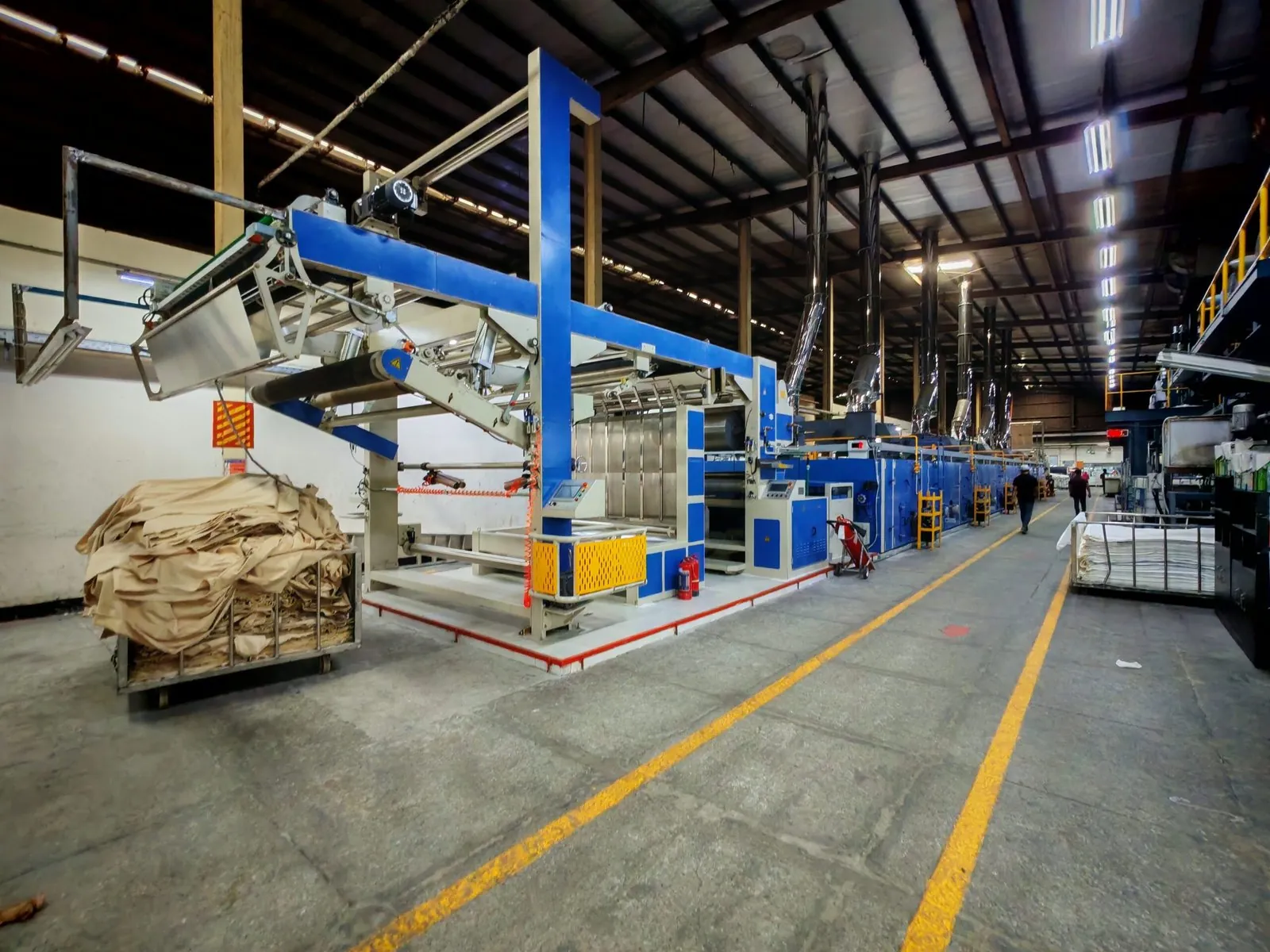
For example, a Bangladeshi garment manufacturing group employing 1,200 workers may qualify as Category A, even if it is not a multinational company.
What changed? Company size and location now directly determine which requirements are compulsory.
2. Combined Emission Targets Are No Longer Enough
Version 1.3.1: Companies could combine Scope 1 and Scope 2 emissions into a single reduction target, generally covering at least 95% of their combined emissions.
Version 2.0: Companies must establish separate targets for Scope 1 and Scope 2, each covering 100% of the relevant emissions.
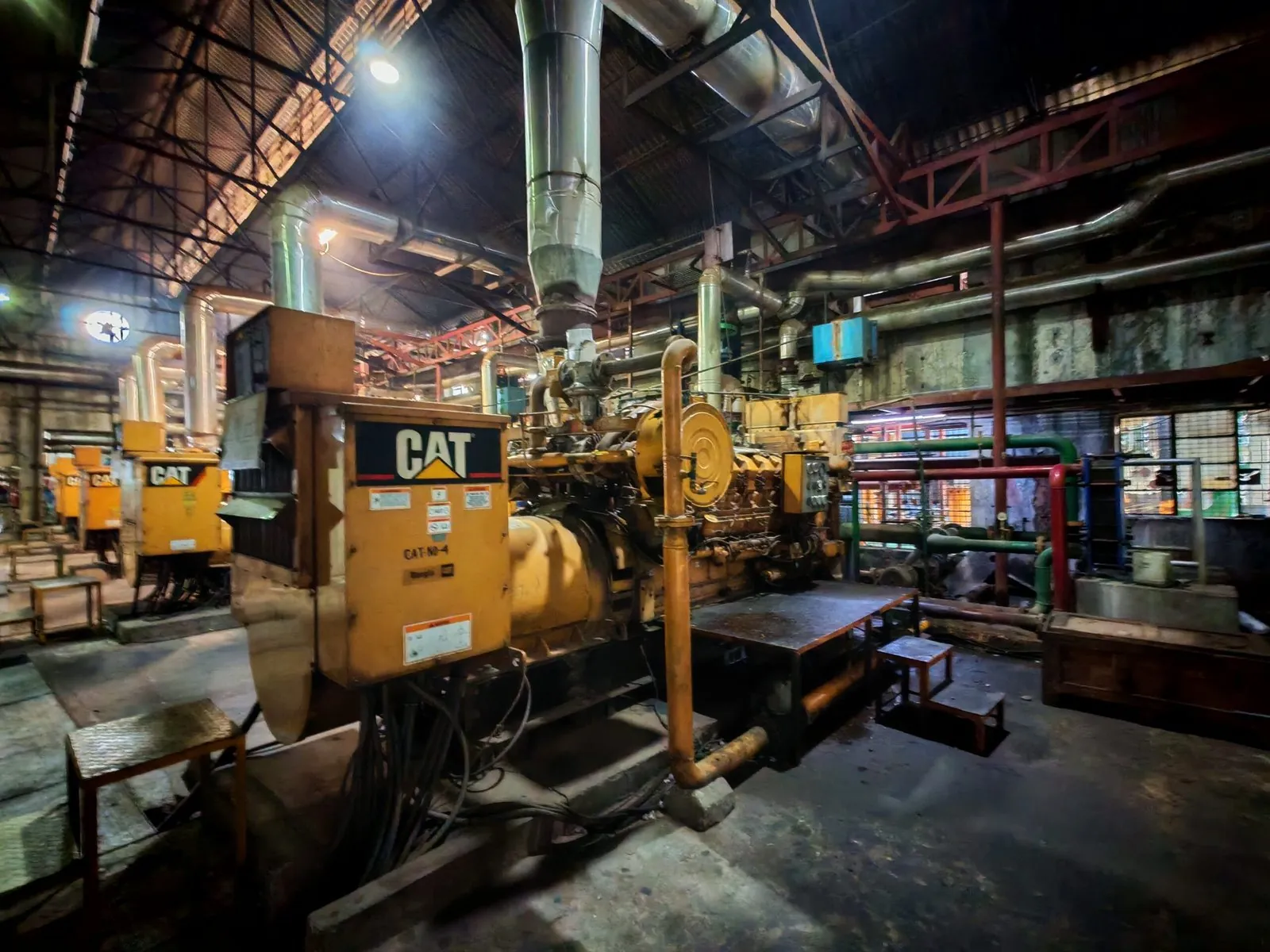
Consider a textile factory producing 6,000 tonnes of CO₂e from fuel combustion and 4,000 tonnes from purchased electricity.
Previously, it could set a combined target for 10,000 tonnes.
Now, it must address fuel-related and purchased-energy emissions separately.
What changed? Improvement in one area can no longer hide poor performance in another.
3. Supply Chain Targets Follow a Different Rule
Version 1.3.1: When Scope 3 accounted for at least 40% of total emissions, companies generally needed near-term targets covering at least 67% of their Scope 3 emissions. Long-term targets required 90% coverage.
Version 2.0: Category A companies must cover significant Scope 3 categories, generally those individually accounting for at least 5% of emissions across Scope 3 categories 1–14.
Scope 3 targets are optional for Category B companies under the general standard.
Imagine an apparel business where fabric purchasing contributes 60% of supply chain emissions, transportation contributes 8%, and packaging contributes 6%.
Under Version 2.0, these significant categories generally need to be addressed rather than selecting categories merely to reach a percentage.
What changed? The focus shifts from covering a fixed percentage to addressing significant sources of supply chain emissions.
4. Electricity Claims Face More Specific Requirements
Version 1.3.1: Companies could use established market-based electricity accounting approaches and renewable electricity targets.
Version 2.0: Scope 2 emission targets are based on physical, location-based electricity emissions. Electricity certificates and contractual instruments are addressed separately through implementation rules.
Version 2.0 also expands the electricity alignment approach from renewable electricity to low-carbon electricity.
For a Bangladeshi factory, purchasing renewable energy certificates and reducing actual electricity-related emissions are not necessarily the same achievement.
The updated standard makes this distinction clearer.
What changed? Companies must distinguish physical electricity emissions from the environmental benefits claimed through energy certificates or contracts.
5. Targets Now Follow Five-Year Cycles
Version 1.3.1: Near-term targets generally covered a period of 5–10 years.
Version 2.0: Near-term targets follow five-year cycles, with progress assessed and new targets established for subsequent cycles.
Suppose a factory establishes a target for 2030. It will need to assess its performance and develop the next stage of its reduction journey.
Version 2.0 also emphasizes using the latest comprehensive emissions data as the target base year, rather than relying primarily on older historical data.
What changed? Companies have a shorter, more structured cycle for demonstrating progress and updating their plans.
6. A Reduction Target Must Have an Action Plan
Version 1.3.1: The standard established science-based target requirements without the detailed, mandatory transition-plan criteria introduced in Version 2.0.
Version 2.0: Every company must develop and maintain a transition plan explaining how it intends to achieve its targets. Category A companies must also publicly disclose their plans.
For a textile dyeing factory, this could include upgrading boilers, recovering waste heat, improving steam distribution and installing rooftop solar PV.
The plan should connect these activities with timelines and identify major implementation challenges.
What changed? Companies must explain how they intend to reach their targets, not simply announce them.
7. Stronger Verification and Progress Assessment
Version 1.3.1: Companies were required to disclose emissions and progress, but the framework did not include the same structured end-of-cycle assessment system.
Version 2.0: Annual progress reporting is accompanied by a formal assessment at the end of each target cycle. Category A companies must obtain independent assurance for specified emissions data and progress assessments.
Suppose a factory reports a 20% emissions reduction.
Was it achieved through improved efficiency, cleaner energy, or simply lower production?
Reliable fuel records, electricity meters, production data and emissions calculations help explain the result.
What changed? Greater emphasis on evidence, transparency and independently checked information.
8. Reducing Actual Emissions Comes First
Version 1.3.1: Carbon credits could not substitute for the emissions reductions needed to meet science-based targets.
Version 2.0: That principle remains, but the standard now provides a more detailed order of priority for reduction activities.
Companies should first pursue reductions directly within their operations and value chains. Broader shared-system or sector-level measures are considered under defined conditions.
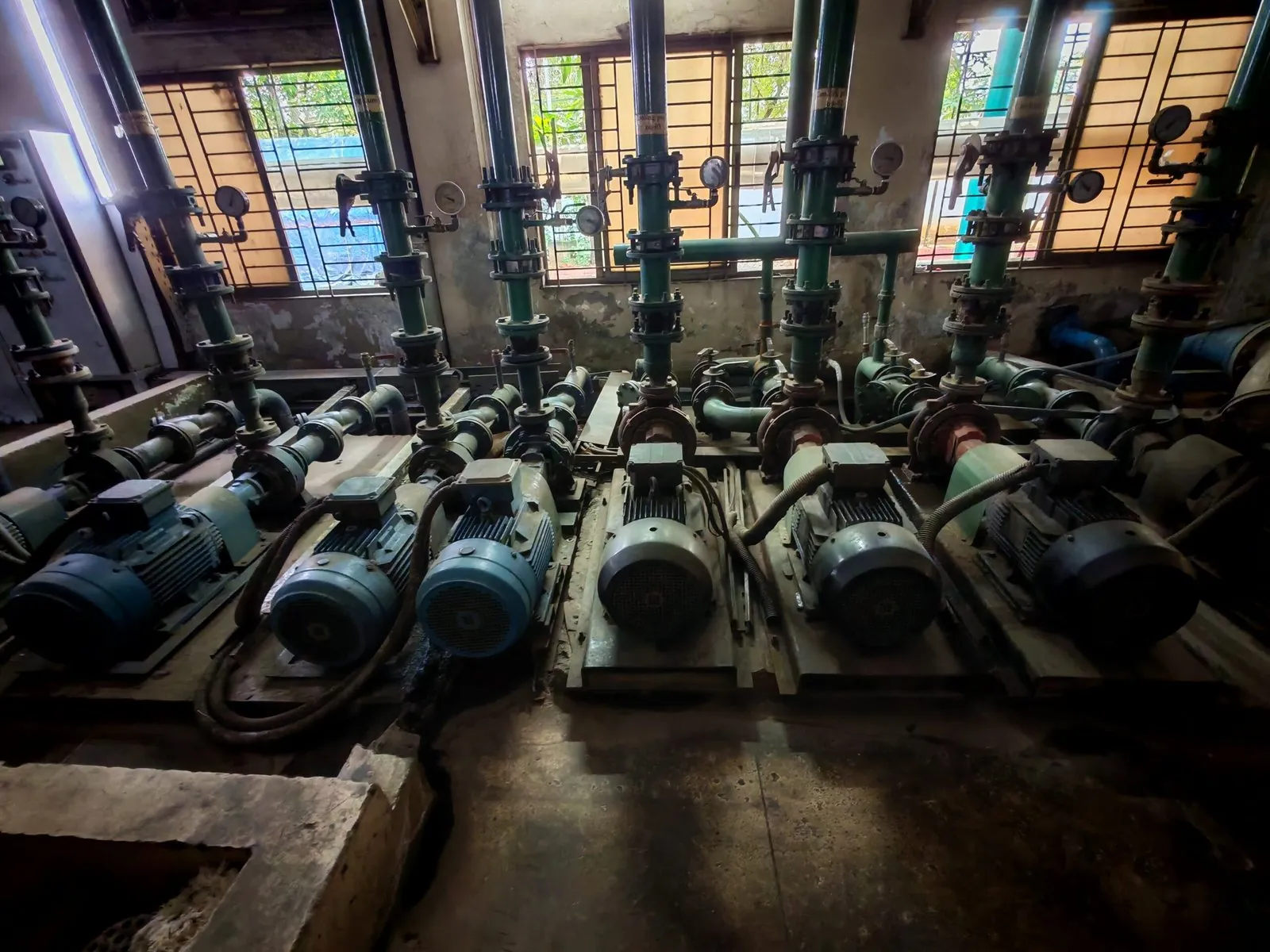
For example, repairing steam leaks, improving boiler efficiency and reducing wasted electricity are direct improvements.
Purchasing carbon credits does not replace these actions.
What changed? The new standard provides clearer guidance on which actions should be prioritized and how their impacts can be recognized.
9. New Responsibilities for Remaining Emissions
Version 1.3.1: Companies pursuing net-zero were required to neutralize residual emissions at their net-zero target year, while additional climate contributions were encouraged.
Version 2.0: A voluntary recognition program rewards companies supporting climate action beyond their targets.
It also outlines a future requirement for Category A companies to support eligible carbon removals equal to at least 1% of ongoing emissions from 2035. This provision is intended for review before implementation.
These contributions remain separate from the emissions reductions required to meet company targets.
What changed? SBTi is introducing a more structured approach to companies taking responsibility for emissions that remain during their transition.
When Does Version 2.0 Become Mandatory?
The transition is gradual:
- 2026: Version 1.3.1 remains the applicable framework for validation.
- Q1 2027–31 January 2028: Both versions can be used for new submissions.
- From 1 February 2028: New submissions must follow Version 2.0.
Existing validated targets generally remain valid until their current target period ends.
What Should Bangladeshi Industries Do Now?
There is no need to abandon existing sustainability initiatives.
Factories should focus on improving emissions data, identifying significant sources, conducting energy audits and developing realistic reduction plans.
For the RMG sector, better boiler performance, heat recovery, efficient electrical systems and renewable energy investment can deliver both financial and environmental benefits.
At HEXA Engineering Limited, we believe the most effective decarbonization strategies begin with accurate measurement, practical engineering and financially realistic decisions.
Version 1.3.1 helped companies establish where they wanted to go. Version 2.0 provides a clearer framework for how to get there—and how to demonstrate the progress made along the way.